
Brain Dysfunction: Why Brain Fog and Cognitive Decline Are Signals
Brain reserve, root causes, and practical ways to protect cognition
Many people assume memory lapses, word-finding trouble, and slower thinking are just part of aging, but they often reflect underlying stressors affecting the brain.
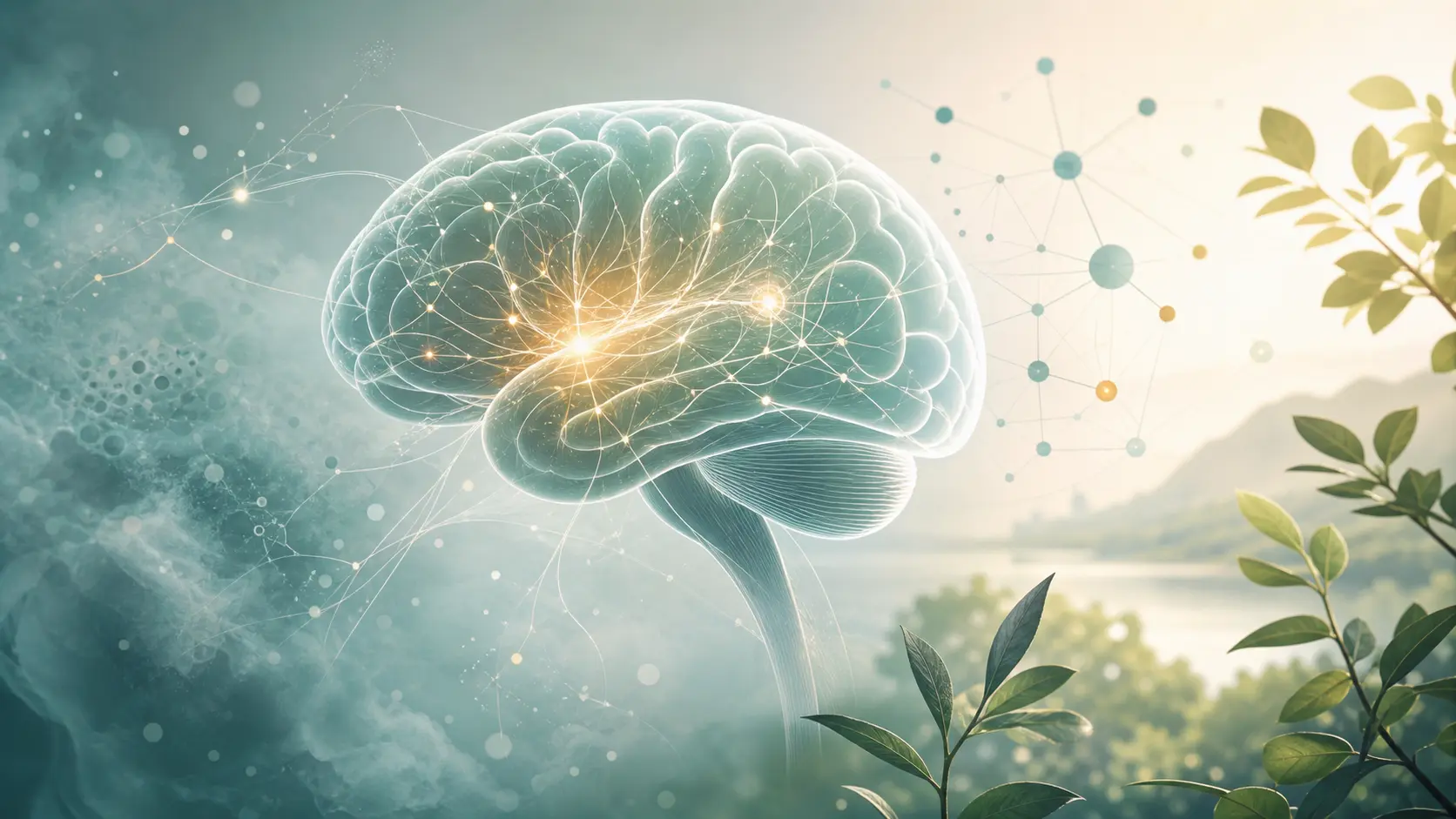
Brain reserve and early warning signs
Have you ever walked into a room and forgotten why you were there, struggled to find a word mid-sentence, or felt mentally slower than you used to? Many people assume these changes are just part of aging, but in reality, they often reflect underlying damage affecting the brain.
Your brain has something called "brain reserve" - extra capacity that allows it to function well even under stress. Different brain areas control specific roles: the frontal lobe guides focus, planning, and decision-making; the hippocampus and medial temporal lobe drive memory; and the limbic system regulates emotions. As long as reserve remains high, you feel sharp. But when stressors accumulate, symptoms like memory lapses, poor concentration, irritability, and brain fog begin to appear.
Major drivers of brain dysfunction
So what's driving this decline? In today's world, it is rarely just one factor. Instead, it is the combination of multiple factors that gradually damages the brain.
Environmental toxins are one important contributor. Heavy metals such as lead, mercury, and aluminum can interfere directly with brain cells. They generate oxidative stress, impair energy production, and disrupt communication between neurons, particularly in memory centers like the hippocampus.
Blood sugar imbalance is another major factor. High blood sugar and insulin resistance - now extremely common - damage the brain through inflammation and changes in small blood vessels. Over time, this can reduce blood flow to critical brain regions and contribute to cognitive decline.
Sleep is equally essential. During sleep, the brain repairs itself and clears toxins through a process known as glymphatic flow. When sleep is inadequate, toxins build up, the brain's executive centers slow down, and memory consolidation is impaired. Less than 7 hours of sleep is associated with blood-brain barrier damage (see below).
Chronic infections can also play a role. Conditions such as Lyme disease, Epstein-Barr virus, and Long COVID can activate the immune system inside the brain. This leads to inflammation, loss of neurons and synapses, and reduced communication between neurons, often experienced as persistent brain fog, fatigue, and possibly memory problems.
Blood-brain barrier and shared pathways
Another important factor is the blood-brain barrier, a protective system that keeps harmful substances out of the brain. When this barrier becomes compromised - due to toxins, high blood sugar, poor sleep, or infection - it allows inflammatory molecules, toxins, and infections to enter, amplifying damage.
Although research into environmental exposures such as electromagnetic fields is still evolving, some evidence suggests they may act as additional stressors by influencing cellular activity and oxidative stress. Minimizing unnecessary exposures can be a reasonable precaution. I recommend turning your WiFi off at night and sleeping at least 10 feet away from a cell phone.
What's important to understand is that all of these factors share common pathways. They increase inflammation, create oxidative stress, disrupt mitochondria, and impair communication between brain cells. Over time, this reduces brain reserve and contributes to cognitive decline.
Neuroplasticity and practical recovery steps
The encouraging news is that the brain is highly adaptable. Through a process called neuroplasticity, it can recover and rebuild when the right conditions are created. Supporting brain health involves addressing root causes rather than simply masking symptoms.
This includes optimizing nutrition with healthy fats and plant compounds, improving sleep quality, stabilizing blood sugar, reducing toxic exposures, treating underlying infections, and engaging the brain through challenging mental activities. For a few diet suggestions, eat eggs to increase choline, and add parsley to smoothies to decrease brain inflammation. To protect your blood-brain barrier, get 7 or more hours of sleep and turn the WiFi off at night.
What to do next
Brain fog and cognitive decline are not conditions you have to accept. They are signals that something in the system is out of balance - and in many cases, they can be improved when those underlying causes are addressed.
David Musnick, MD. Functional Medicine Institute, Eagle, Idaho. 208-609-9130.
For more information, go to Instagram Reels on healthy shopping at @drmexperienced. Podcast on brain topics: Spotify and YouTube, start at https://drmexperienced.com.